Your Guide to Anesthesia Exam Success
Exam strategies, study advice and clinical insights for FRCA, EDAIC, ABA and other anaesthesia exams.
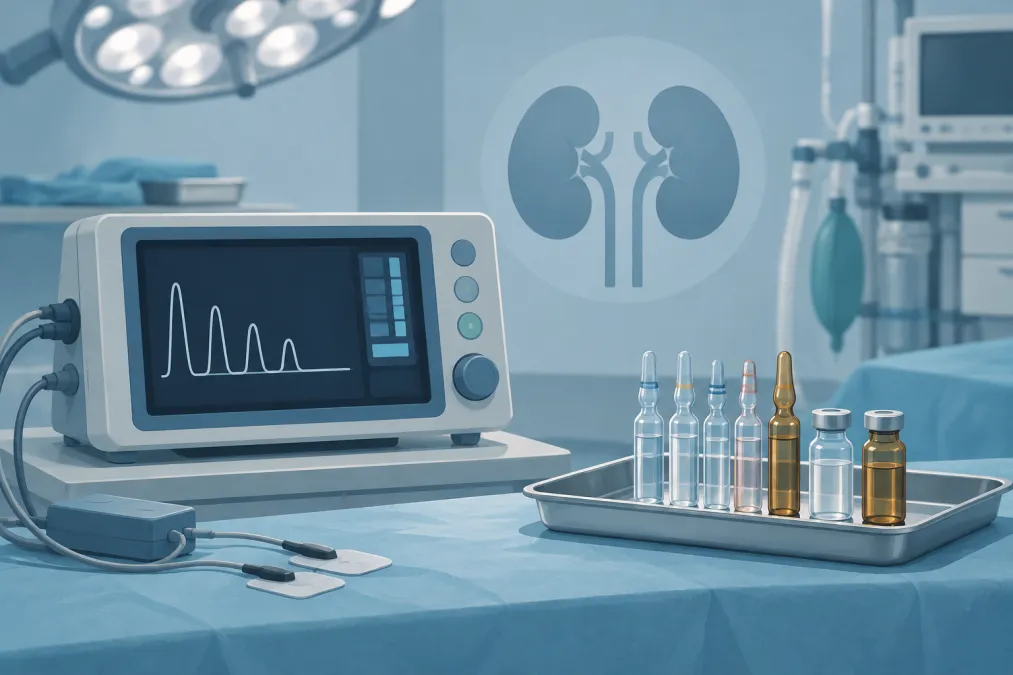
Neuromuscular Blockers in Renal Failure: Choice and Reversal
Renal failure does not affect every neuromuscular blocker the same way. Choose by onset, duration and clearance, then let quantitative monitoring confirm recovery.
Sickle Cell Disease: Anaesthesia for Cholecystectomy
A stable morning examination does not make sickle cell disease a routine case. See how phenotype, baseline haemoglobin and transfusion history guide the decision—and why postoperative desaturation demands early assessment.

ANZCA Final SAQ Technique: Read, Rank, Respond
ANZCA’s command-word glossary and examiner reports show why SAQ answers lose marks—and how to keep each response focused.

SGLT2 Inhibitors Before Surgery: DKA Risk
A normal glucose does not exclude SGLT2-associated ketoacidosis. Review regional withholding approaches, perioperative decision points and the recognition and treatment of euglycemic DKA.

Malignant Hyperthermia: Recognising and Managing a Crisis
A rising end-tidal CO₂ despite increased ventilation is an early warning, not a reason to wait for fever. Work through the differential and the treatment sequence for a suspected malignant hyperthermia crisis.

FCAI Written Exam: How to Structure SAQ Answers
Strong FCAI SAQ answers follow the command verb, respect the marks and put priority points first. Learn a repeatable structure for concise responses under time pressure.
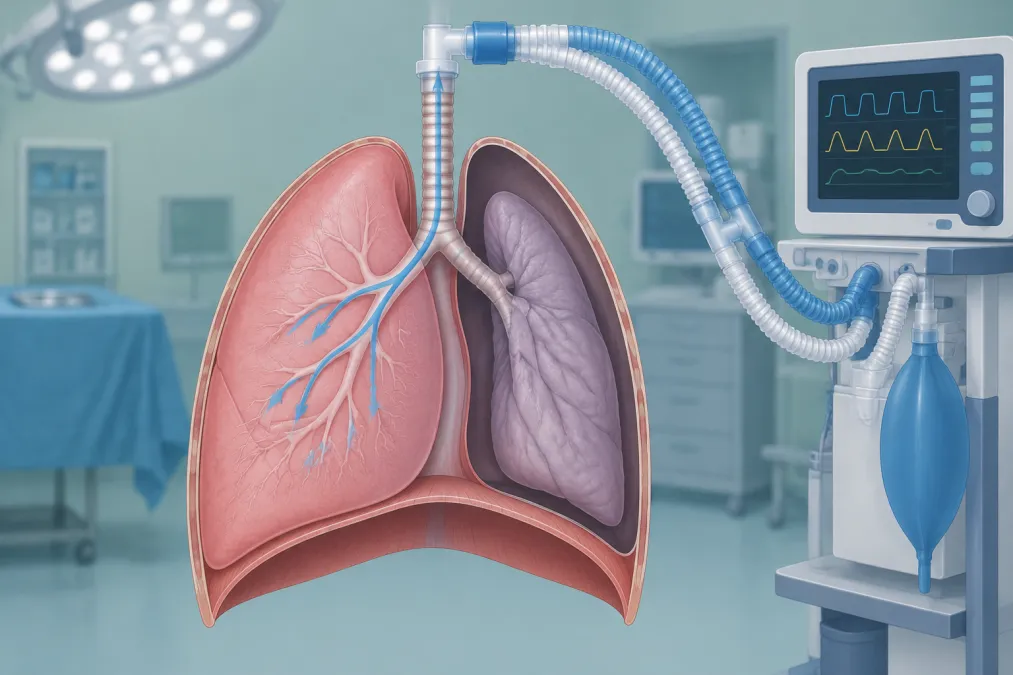
One-Lung Ventilation: Protective Settings and Hypoxaemia Rescue
Low tidal volume and individualized PEEP provide a starting point, not a complete rescue plan. Learn how to distinguish device problems, ventilated-lung mechanics, shunt and haemodynamic causes when oxygenation falls.

Cushing Disease: Anaesthesia for Transsphenoidal Surgery
Cushing disease brings more than hypertension and hyperglycaemia to transsphenoidal surgery. The key perioperative turn may come after resection, when cortisol excess gives way to deficiency and water balance still needs close attention.

ANZCA Final Viva Practice: Build a Repeatable Routine
A repeatable viva session should make you retrieve, adapt and try again. Use cold attempts, focused feedback and spaced revisits to build a practice routine.

Aortic Regurgitation: Anaesthetic Goals Before Surgery
Aortic regurgitation calls for a different plan from aortic stenosis. Support forward flow without driving the heart rate so high that myocardial oxygen balance suffers.
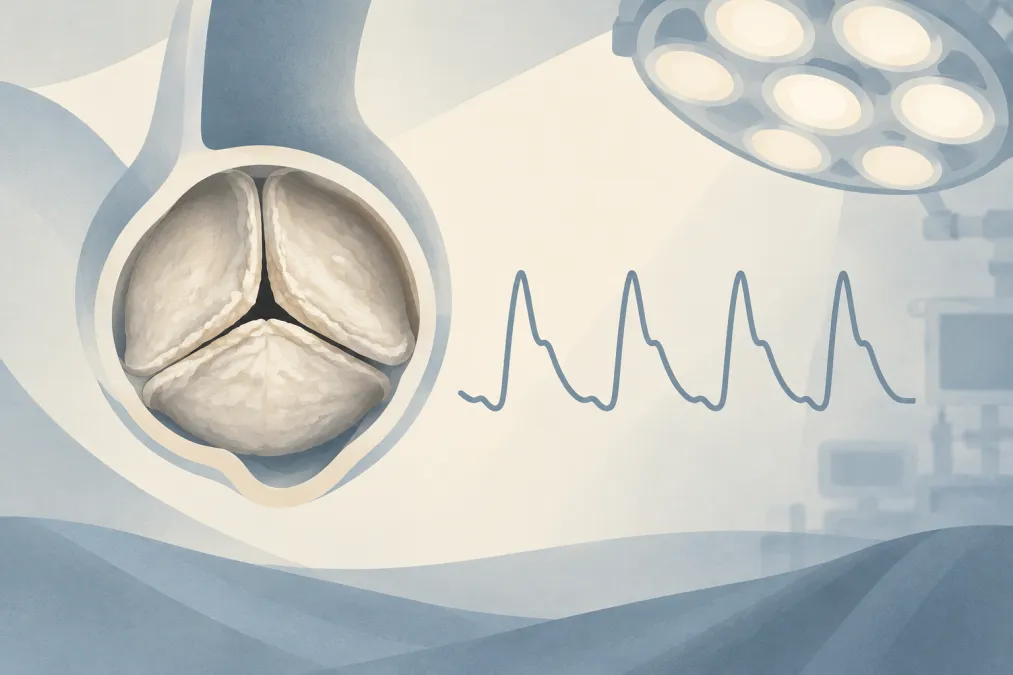
ANZCA Final Viva: Severe Aortic Stenosis Before Surgery
Exertional dyspnoea and presyncope before elective hip surgery should change the first sentence of your viva. Work through symptom assessment, valve-team decisions and the plan if surgery cannot wait.

ANZCA Final Viva: How to Structure Your Answer
A strong ANZCA Final viva answer makes the threat, first action and next decision clear. Use a simple structure to explain your reasoning and adapt when the scenario changes.
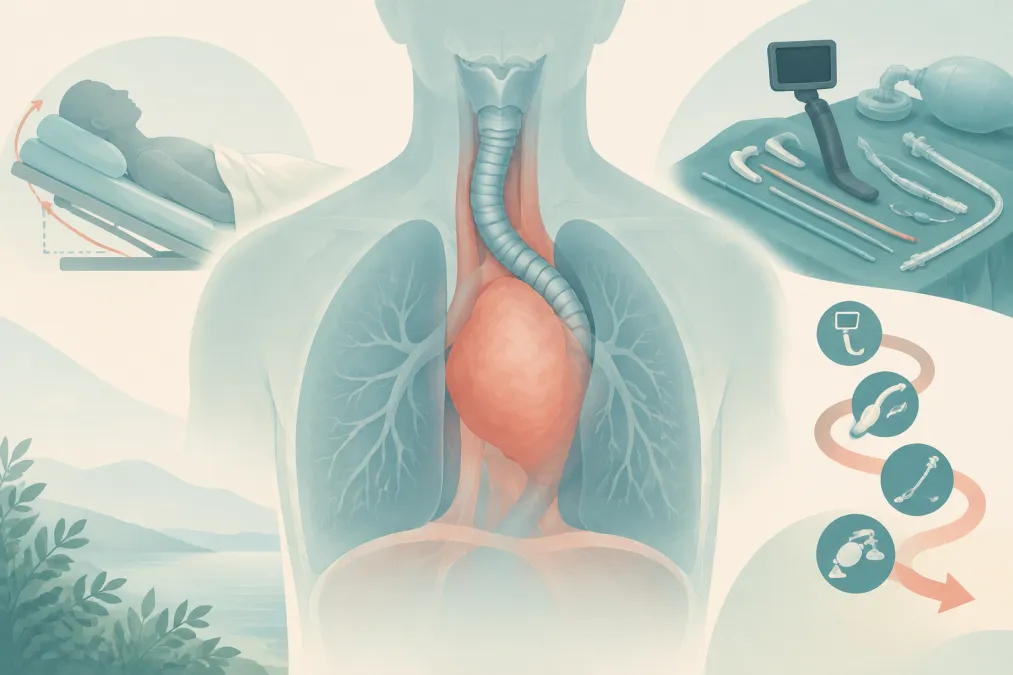
Anterior Mediastinal Mass: Risk-Led Anesthesia
Spontaneous ventilation is often prudent in anterior mediastinal mass anesthesia, but it is not a guarantee against collapse. Symptoms, CT, echocardiography and rescue access should shape the plan.

ANZCA Final Viva: Acute Variceal Bleeding
Active haematemesis or altered consciousness can justify intubation before endoscopy; cirrhosis alone cannot. This viva case follows the decision through resuscitation, haemostasis and TIPS.
ANZCA Primary Practice Questions: Timed MCQ Strategy
A high question-bank score can hide lucky guesses and overlooked syllabus gaps. Learn a repeatable method for diagnosing weaknesses, reviewing every answer and building timed ANZCA Primary MCQ practice.
Anesthesia for PCI: Sedation, Risk and Emergency Rescue
Most routine PCI uses local anesthesia with no or light sedation. The challenge is identifying patients who need anesthesia support and preparing for sudden airway or hemodynamic deterioration.

Mastering the Singapore MMed Anesthesiology Exams: Your Ultimate Guide to Success
Embarking on the journey to become a certified anesthesiologist in Singapore is a significant milestone in your medical career. The Master of Medicine (MMed)…

Mastering the HKCA Exams: Your Comprehensive Guide to Success
Embarking on the journey to become a certified anesthesiologist with the Hong Kong College of Anaesthesiologists (HKCA) is a significant milestone in your…

Mastering the Indian National Board Anesthesiology Exams: Your Ultimate Guide to Success
Preparing for the Indian National Board Examinations in Anesthesiology is a significant milestone in your medical career. Achieving success in these exams not…

Mastering the SACSA Exams: Your Comprehensive Guide to Success
Embarking on the journey to become a qualified anesthesiologist in South Africa involves passing the South African College of Anaesthesiologists (SACA) Exams.…